

Choosing a school is often the hardest part of moving to a new city. Kigali Schools is an independent advisory service that helps families compare international schools in Kigali and private schools that teach in English or French, then apply with confidence. We are not a school and we do not sell places. We explain the options in plain language, match your child to schools that fit, and help with the paperwork and timing.
Most of the families we hear from are relocating expats, diplomats and NGO staff, and Rwandans returning home after years abroad. Their questions are similar. Which curriculum will let my child continue smoothly? How much will it really cost? When do applications open? Which schools are realistic from the area where we will live? This site answers those questions, and the form on each page lets you ask us about your own situation.
How we help families
We keep the process simple and honest.
- Listen: you tell us about each child: age, current grade, curriculum, languages, any learning support needs, your budget and your likely neighbourhood.
- Explain: we walk you through the curricula on offer in Kigali, the published fees and what extras usually sit on top of tuition.
- Shortlist: we suggest schools whose curriculum, age range, location and fee level match what you told us. We give you facts, not rankings.
- Apply: we help you prepare documents, meet deadlines and book visits or assessments.
- Settle in: we share practical tips on uniforms, transport, lunch and the first weeks of term.
Curricula you can choose from in Kigali
Kigali has a wider choice than many people expect. Each option has its own guide:
- International Baccalaureate (IB) schools: Green Hills Academy is an IB World School offering the Primary Years, Middle Years, Diploma and Career-related Programmes.
- British and Cambridge curriculum schools: several schools follow the Cambridge pathway from Early Years or Primary through IGCSE and, at some schools, A Levels.
- American curriculum schools: the International School of Kigali and Kigali International Community School both follow American programmes with Advanced Placement courses.
- French schools: the Ecole Francophone Antoine de Saint-Exupéry is homologated by the French Ministry of Education and prepares students for the Brevet and the Baccalauréat.
- Rwandan national curriculum: six years of primary, three of lower secondary and three of upper secondary, taught in English, with national exams at the end of primary and each secondary cycle.
Not sure which fits? Our full guide to international schools in Kigali compares the curricula side by side.
What schools in Kigali cost
Fees vary more than most families expect, and the currency matters. Some schools publish fees in Rwandan francs and others in US dollars. Here are a few published examples for the 2026/27 year:
| School (curriculum) | Published annual tuition | Currency |
|---|---|---|
| Green Hills Academy (IB) | RWF 3,820,000 to RWF 7,680,000 | Rwandan francs |
| Ecole Francophone Antoine de Saint-Exupéry (French) | RWF 3,934,861 to RWF 8,096,959 | Rwandan francs |
| International School of Kigali (American, AP) | USD 8,098 to USD 26,435 | US dollars |
Tuition is only part of the cost. Application fees, one-time enrolment or capital fees, deposits, lunch, transport, uniforms and exam fees can add a lot. Our school fees guide breaks these down school by school, using each school's own published figures where they exist.
Timing: when to start looking
Rwanda's national school year for 2026/27 starts on 7 September 2026. International schools set their own calendars, so check each one. Popular year groups can fill early. The French school, for example, ran its main 2026/27 registration window from 14 March to 15 May 2026, with a second short window in late August only if places remained.
As a rule of thumb:
- 9 to 12 months before your move: research curricula and budgets.
- 6 to 9 months before: shortlist schools and request applications.
- 3 to 6 months before: complete applications, assessments and interviews.
- 1 to 3 months before: pay deposits, order uniforms, plan transport.
Mid-year moves are possible too. Some schools accept applications through the year when places exist. Our admissions guide explains documents, assessments and deadlines in detail.
Where you live matters
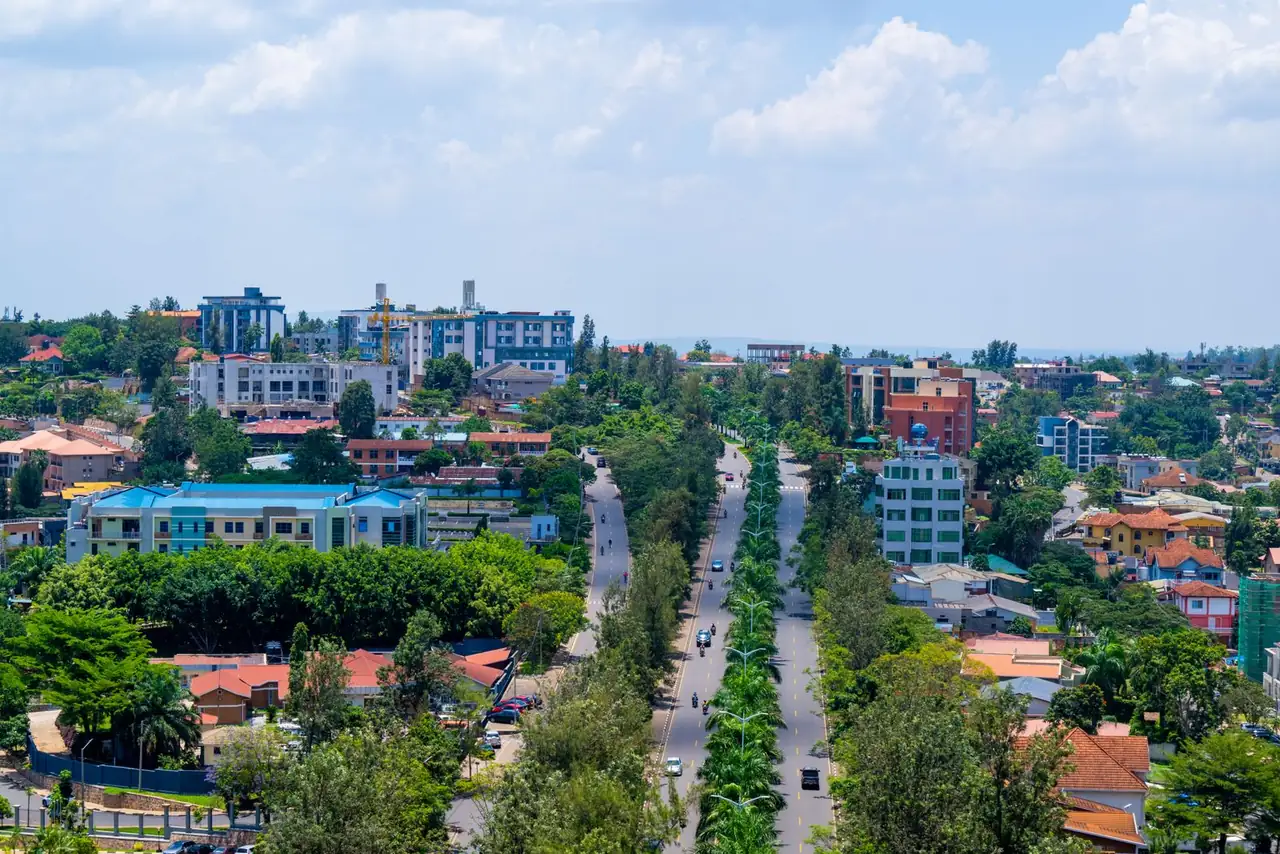
Kigali is hilly and traffic builds at school run times, so the school's location should shape where you rent, or the other way round. Several international schools sit in the northern and eastern residential areas such as Kibagabaga, Gaculiro and Nyarutarama, while others are closer to the city centre or in areas such as Gisozi. A 5 km drive can take far longer at 7 am than at midday.
If you are still choosing a house, tell us where your work is and we will suggest schools that keep the daily journey reasonable. Our guide to relocating to Kigali with children covers housing areas, dependant residence permits, health and daily life.
Young children and nursery
Many families need a place for a child under five. Some international schools take children from age 3 or 4, and there are many private nurseries and daycare centres across the city. Age cut-off dates differ between schools, so a child who fits one school's Pre-K may be placed differently elsewhere. See our nursery schools guide for what to check.
Our principles
- Neutral facts only: we name schools only with facts we can source, such as curriculum, location, age range and published fees with the year.
- No rankings and no fake reviews: the right school depends on your child, not on a league table.
- Your decision: we help you compare and apply, and you choose.
Tell us about your family
Use the form on this page to tell us how many children you have, their ages, your preferred curriculum, your budget and when you want to start. We will reply with the options that fit and the next steps for each one.
Frequently asked questions
Are you a school?
No. Kigali Schools is an independent advisory and matching service. We do not teach children or run a campus. We help families understand curricula, fees and admissions in Kigali, suggest schools that fit their child, and support them with applications and visits.
Do you rank schools?
No. We do not publish rankings or quality scores, and we do not repeat unverified reviews. We share neutral, sourced facts such as curriculum, location, age range and published fees, and we help you ask the right questions so you can judge fit yourself.
Which curricula are available in Kigali?
Families in Kigali can choose from the International Baccalaureate, British style Cambridge programmes, American curriculum schools with Advanced Placement courses, a French homologated school, and many private and public schools that follow Rwanda's national curriculum taught in English.
When does the school year start in Kigali?
For schools on Rwanda's national calendar, the 2026/27 year starts on Monday 7 September 2026 and the third term ends on 2 July 2027, according to the calendar released by NESA. International schools set their own calendars, so always check each school's dates.
How much do international schools in Kigali cost?
Published 2026/27 fees range widely. Green Hills Academy lists annual tuition from about RWF 3.8 million to RWF 7.7 million, while the International School of Kigali lists USD 8,098 for Pre-K up to USD 26,435 for high school. Our fees guide has more detail.
Can you help if we are still abroad?
Yes. Many families contact us months before they move. We can work by WhatsApp, email and video call, collect the documents schools ask for, and arrange visits for when you land in Kigali or when a relative can attend for you.
What information do you need from us?
The number of children, their ages and current grades, the curriculum they follow now, your budget per year, your preferred start date and the area of Kigali where you will live. Notes on languages or learning support needs also help us match well.